Whispers from the Soul: Decoding Your Spiritual Dreams
Dreams have long been revered across cultures and spiritual traditions as more than just a nocturnal jumble of images; they are often considered a sacred language of the soul, a direct channel to our subconscious, our higher self, or even divine guidance. When we drift into sleep, the logical mind quiets, opening a profound space where intuitive insights, hidden truths, and spiritual messages can emerge unhindered. These spiritual dreams can offer clarity on our life path, illuminate unresolved emotional patterns, reveal our deepest desires, or provide comfort and direction during challenging times, acting as a personal guide whispering ancient wisdom specifically tailored to our unique journey.
Unlocking the spiritual meaning of your dreams is less about finding a universal dictionary for symbols and more about cultivating a deep, intuitive connection with your inner landscape. While recurring themes like flying might signify spiritual liberation, water could represent emotional states, and specific animals might embody particular spiritual attributes or guides, their true meaning is always deeply personal and contextual. The most effective way to engage with these nightly revelations is to keep a dream journal, noting down emotions, colors, characters, and actions immediately upon waking. Then, reflect on how these elements resonate with your waking life, your spiritual questions, or any challenges you are currently navigating, trusting your inner wisdom to illuminate the profound spiritual guidance hidden within your sacred slumbers.
Ever woken up from a dream feeling like it was more than just random images? Within Christianity, dreams are often viewed as potential messages from God. But understanding those messages requires deciphering the language of dream symbols. This is where a Christian dream dictionary and a grounding in scripture become essential.
At a glance:
- Learn how to identify potential Christian symbols in your dreams.
- Discover the biblical basis for common dream imagery like water, light, and animals.
- Understand the importance of prayer and discernment in dream interpretation.
- Avoid common pitfalls in interpreting dream symbols.
- Develop a framework for journaling and analyzing your dreams.
Why Christian Dream Symbols Matter
Dreams have captivated humanity for millennia, and the Bible is no exception. From Joseph interpreting Pharaoh's dreams to Daniel's prophetic visions, dreams hold a prominent place in scripture. Christian dream dictionary symbols are not about fortune-telling, but about seeking a deeper understanding of God's potential communication. They provide a framework, not a rigid formula, for exploring the spiritual significance of our nighttime visions. This framework helps us consider whether a dream might be nudging us towards greater faith, repentance, or a deeper connection with God.
Deciphering the Christian Dream Language: Common Symbols and Their Meanings
A Christian dream dictionary offers insights into the possible spiritual meanings behind the symbols that appear in your dreams. Keep in mind that context is everything, and personal experiences can significantly influence the meaning of a symbol. Here are some common symbols and their potential interpretations:
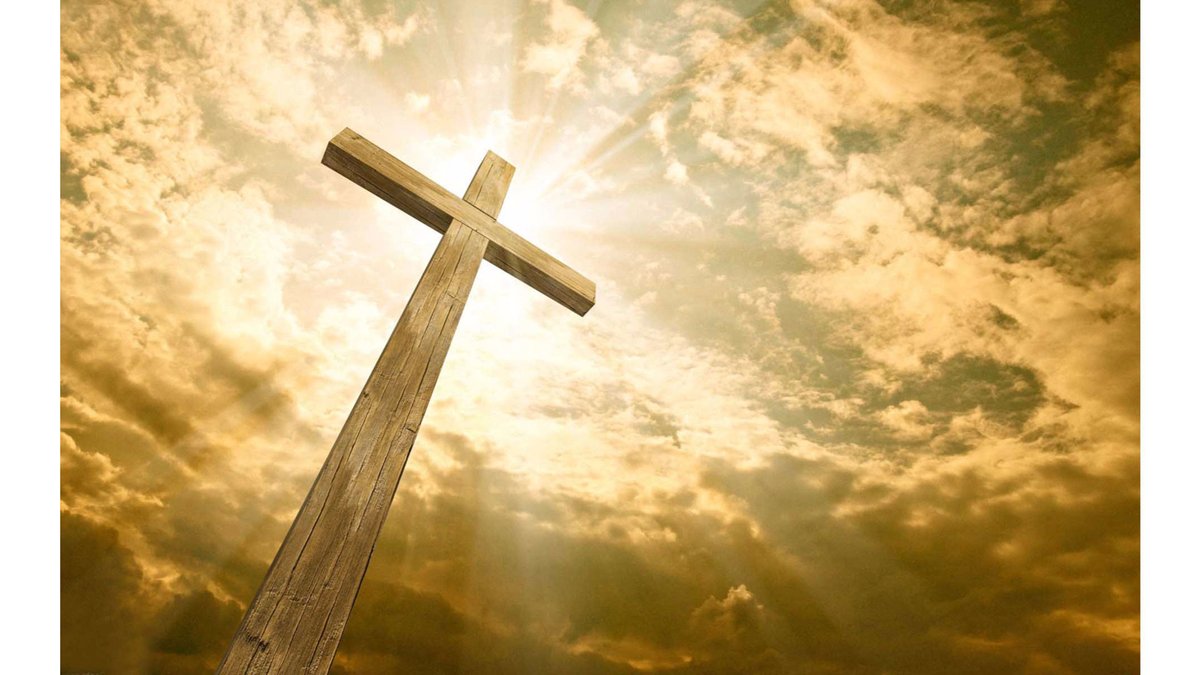
- Cross: Represents sacrifice, redemption, forgiveness, and the core of Christian faith. A broken or upside-down cross could suggest a struggle in your faith or a need for repentance.
- Angels: Divine messengers, guidance, protection, and a connection to the spiritual realm. The appearance of an angel could signal important news or a reminder of God's presence.
- Water: Cleansing, purification, baptism, the Holy Spirit, and spiritual renewal. Still water might represent peace, while turbulent water could symbolize emotional turmoil.
- Light: Truth, knowledge, God's presence, hope, and spiritual illumination. Darkness, conversely, can represent ignorance, sin, or spiritual confusion.
- Animals: Individual animals carry symbolic weight. A lamb often represents Jesus Christ, innocence, and gentleness. A lion can symbolize courage, royalty, or even the devil (a "roaring lion seeking whom he may devour"). Snakes are often associated with temptation or deception.
- Bread and Wine (Communion): Spiritual nourishment, remembrance of Christ's sacrifice, and unity with God and fellow believers.
- Church: Community, fellowship, spiritual growth, and a place of worship. A crumbling church might indicate problems within your faith community or a need for spiritual rebuilding.
Example: Dreaming of being lost in a dark forest (darkness representing spiritual confusion, forest representing life's journey) and then seeing a bright light (God's presence, truth) leading you to a church (spiritual community) could suggest a need to seek guidance and support within your church to overcome a period of spiritual uncertainty.
Biblical Examples: Dreams and Their Divine Significance
The Bible is replete with examples of dreams carrying divine messages. Studying these narratives can provide context for interpreting your own dreams.
- Joseph's Dreams (Genesis 37): Joseph's dreams of his brothers bowing down to him foreshadowed his future rise to power in Egypt. This highlights how dreams can reveal God's plans and purposes.
- Pharaoh's Dreams (Genesis 41): Joseph's interpretation of Pharaoh's dreams about the famine demonstrates how dreams can provide warnings and opportunities for preparation.
- Nebuchadnezzar's Dream (Daniel 2): Daniel's interpretation of Nebuchadnezzar's dream about the statue revealed the rise and fall of empires, illustrating the prophetic nature of some dreams.
- Mary's Dream (Matthew 1:20-21): An angel appeared to Joseph in a dream, confirming Mary's pregnancy and directing him to name the child Jesus.
These examples illustrate that dreams in the Bible often served as direct communication from God, offering guidance, warnings, and prophetic insights.
The Role of Prayer and Discernment in Dream Interpretation
Interpreting dreams through a Christian lens requires more than just consulting a dream dictionary. It necessitates prayer, discernment, and a reliance on the Holy Spirit.
Steps to Prayerful Dream Interpretation:
- Pray for Understanding: Before analyzing your dream, ask God to reveal its meaning to you.
- Record the Dream: Write down as many details as you can remember, including emotions, colors, and specific objects.
- Consult Scripture: Look for biblical parallels or teachings that resonate with the dream's themes.
- Seek Wise Counsel: Discuss your dream with a trusted pastor, spiritual mentor, or Christian friend.
- Consider Your Personal Context: How does the dream relate to your current life circumstances, challenges, or spiritual journey?
Pitfalls to Avoid:
- Over-reliance on Symbolism: Don't get so caught up in the symbols that you miss the overall message.
- Forcing an Interpretation: If a particular interpretation doesn't feel right, don't force it.
- Ignoring Personal Context: A symbol's meaning can vary depending on your individual experiences and beliefs.
- Seeking Supernatural Explanations for Everything: Some dreams are simply the result of daily stress or subconscious thoughts.
Practical Playbook: Journaling and Analyzing Your Dreams
Keeping a dream journal can help you identify recurring symbols, track emotional patterns, and gain a deeper understanding of your subconscious mind.
Dream Journaling Tips:
- Keep a Notebook by Your Bed: Record your dreams immediately upon waking, before you forget the details.
- Date Each Entry: This will help you track the evolution of your dreams over time.
- Write Down Everything You Remember: Include images, emotions, conversations, and any sensory details.
- Look for Recurring Themes: Are there certain symbols, people, or places that appear frequently in your dreams?
- Reflect on Your Waking Life: How might your daily experiences be influencing your dreams?
Analyzing Your Dreams:
- Identify the Dominant Emotion: What was the strongest feeling you experienced in the dream?
- List the Key Symbols: What objects, people, or places stood out to you?
- Research Symbol Meanings: Use a Christian dream dictionary as a starting point, but remember to consider context.
- Connect to Scripture: Are there any biblical verses or stories that resonate with the dream's themes?
- Pray for Discernment: Ask God to reveal the meaning of the dream to you.
Decode your dreams' meaning. To gain a broader understanding of Christian dream interpretation, exploring different perspectives can be valuable.
Quick Answers: Common Questions About Christian Dream Symbols
Q: Are all dreams from God?
A: Not necessarily. Some dreams may be the result of daily stress, subconscious thoughts, or physical factors. Discernment is key. Pray for wisdom in distinguishing between dreams that carry a divine message and those that don't.
Q: Can a dream contradict the Bible?
A: A dream will never contradict the core tenets of the Bible. If a dream seems to promote unbiblical ideas or behaviors, it should be carefully scrutinized and potentially dismissed as not divinely inspired.
Q: What if I don't remember my dreams?
A: Not everyone remembers their dreams vividly. Pray for God to reveal any messages He may have for you, even if you don't remember the specifics of your dreams. You can also try techniques like setting an intention to remember your dreams before you go to sleep.
Q: Is it okay to seek professional help with dream interpretation?
A: While some Christian counselors or therapists may incorporate dream interpretation into their practice, it's important to choose someone who shares your faith and values. Ensure they approach dream interpretation with a biblical perspective and prioritize spiritual discernment.
Takeaway: A Decision Tree for Interpreting Your Dreams
Here's a simple decision tree to guide your dream interpretation:
- Did the dream evoke strong emotions?
- Yes: Proceed to step 2.
- No: The dream may be less significant; consider it lightly.
- Are there clear symbols or recurring themes?
- Yes: Proceed to step 3.
- No: Focus on the overall feeling of the dream. Was it peaceful, unsettling, or confusing?
- Can you connect the symbols to biblical teachings or your personal life?
- Yes: Explore the potential meaning through prayer and scripture.
- No: The symbols may be more personal or require further reflection.
- Does the interpretation align with your faith and values?
- Yes: Consider how to apply the message to your life.
- No: Re-evaluate your interpretation or seek guidance from a trusted spiritual advisor.
Trust your intuition and seek God's guidance as you explore the potential meaning of your dreams.